Top 10 BMS Factories In America: 2026 Guide
22,Apr 2026


When it comes to battery management systems (BMS) for consumer electronics, the bar is set exceptionally high. Unlike industrial or automotive applications, here you’re facing an ultra-small footprint versus protection performance dilemma. Your BMS needs to fit into tiny devices like TWS earbuds or smartwatches—think 15×8 mm or smaller—while still delivering robust safety and accuracy. That’s no easy balance.
Add extreme cost pressure to the mix. Every cent counts when millions of units are produced worldwide, making it essential that your BMS performs flawlessly without blowing the budget. Cutting corners here can mean poor battery life or, worse, safety hazards.
Then there’s the unpredictable user environment. Fast charging protocols (PD 3.1, VOOC, UFCS), elevated temperatures during use, and accidental drops can all push batteries beyond their limits. Your BMS must handle these abuse scenarios gracefully to prevent early failures or catastrophic events.
Finally, you navigate a dense regulatory & safety certification maze. Key standards like UN38.3 for transport, IEC 62133-2 (2024 update) for cell safety, and UL 1642 certification are strict and non-negotiable. Compliance is not optional—it’s fundamental for market acceptance and consumer trust.
In short, consumer electronics demand a BMS that’s small, smart, cost-effective, and rigorously safe—a tough equation to solve, but the foundation for any successful lithium-ion product on the market today.
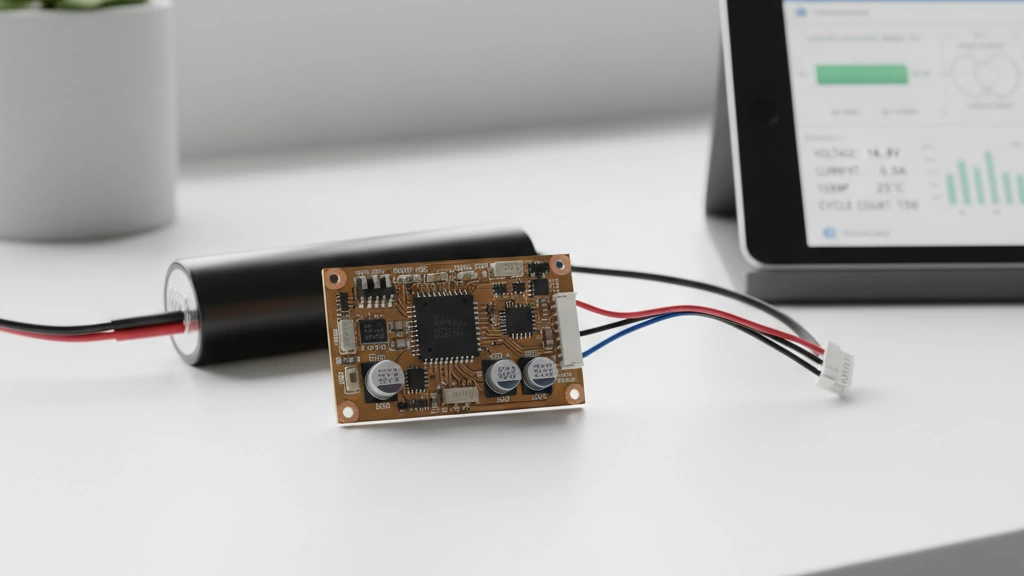
A Battery Management System (BMS) for consumer electronics has to get a few critical functions absolutely right to keep devices safe, reliable, and long-lasting.
Preventing cells from going beyond safe voltage limits is a must. Overcharging can cause battery swelling or even fire, while over-discharging damages battery capacity over time.
These safeguards stop dangerous current spikes during high loads or faults. Without them, devices risk permanent damage or fire hazards.
Balancing cells ensures all battery cells maintain equal charge levels, maximizing performance and lifespan. Consumer devices mostly use passive balancing due to cost and size, but active balancing is gaining attention in larger devices like laptops for better efficiency.
Knowing the State of Charge (SOC) helps users avoid unexpected shutdowns, while State of Health (SOH) tracking predicts battery life over time. A BMS with precise fuel gauge functionality maintains user trust and product quality.
Heat is the enemy of batteries. Effective temperature sensors and control algorithms detect hot spots early, preventing thermal runaway — a chain reaction that can lead to fires.
Beyond the BMS, devices often have secondary protection circuits or hardware fuses to add a backup safety layer. This extra guard ensures compliance with strict safety standards and adds peace of mind for users.
Every consumer BMS must flawlessly balance these core functions in a tiny package and under tight cost budgets to succeed in today’s competitive market. For more on how smart BMS systems report real-time battery status through user-friendly interfaces, see our guide on viewing real-time data of Smart BMS through the APP.
In consumer electronics, Battery Management Systems (BMS) come in different topologies depending on the battery pack configuration and application. The smallest and most common setup is the 1S (single-cell) BMS, which you’ll find in TWS earbuds, smartwatches, and compact power banks. These devices demand ultra-compact BMS with low quiescent current to maximize battery life.
Next up, 2S to 4S BMS units power more substantial consumer devices like tablets, laptops, and cordless vacuums. These multi-cell configurations require robust protection and accurate cell balancing to ensure safety and battery longevity.
For devices with high current demands, such as drones, e-scooters, and gaming controllers, high-rate 1S to 3S BMS are common. These need to handle pulse currents upwards of 20 amps while maintaining efficient thermal management and precise state-of-charge (SOC) tracking.
Leading brands like Apple and Samsung often integrate the BMS directly with a Power Management IC (PMIC) to save space and optimize power flow, combining battery monitoring, charging control, and system power distribution in a single chip. This approach results in sleek designs with smarter battery management, particularly in premium consumer products.
For more detailed solutions on high-rate and multi-cell BMS designs, check out our range of advanced battery management systems for multi-cell applications that balance protection and performance effectively.
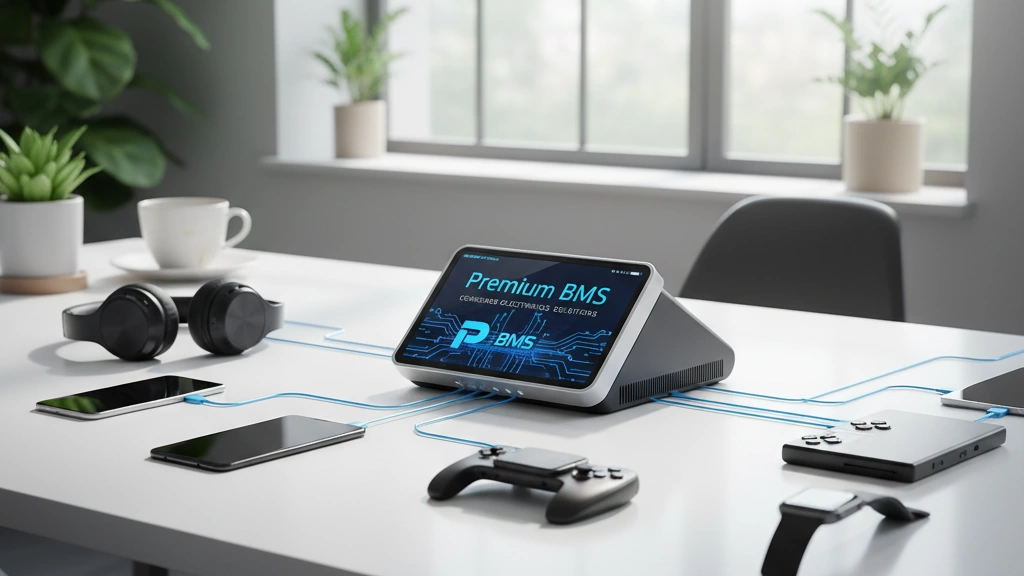
Consumer electronics demand BMS designs that balance extreme technical challenges without compromising size, cost, or performance. Here are the key hurdles and how high-end BMS tackle them:
| Challenge | Requirement | How Premium BMS Solve It |
|---|---|---|
| Ultra-low quiescent current | < 2 µA for 2-year standby | Use specialized low-power ICs designed for minimal leak current, ideal for TWS earbuds and wearables with long shelf life. |
| Compact size | Under 15×8 mm footprint | Highly integrated circuits and system-on-chip solutions reduce PCB space without sacrificing protection. |
| High pulse current handling | 20 A+ pulse capability | Low RDS(on) MOSFETs and robust power path design support bursts for devices like gaming controllers and drones. |
| Accurate state tracking | Coulomb counting accuracy > 98 % | Advanced fuel gauge ICs and algorithms ensure reliable SOC (State of Charge) and SOH (Health) estimations. |
| Fast charging compatibility | PD 3.1, UFCS, VOOC protocols | Thermal management combined with smart charge control to avoid overheating and ensure safe, fast charging. |
| Cost-effective MOSFET selection | Low RDS(on) vs cost trade-off | Careful MOSFET choice balances efficiency and price — premium BMS prioritize performance but keep the bill reasonable. |
By mastering these challenges, top-tier BMS keep consumer devices safe, accurate, and long-lasting—even under tough conditions. For a deeper dive into balancing performance and cost in advanced battery systems, check out this comparison of BMS functionality vs cost.
Premium BMS solutions deliver peace of mind for manufacturers and users alike, ensuring your consumer electronics perform at their best every day.
Battery cell balancing is crucial to keep multi-cell consumer electronics running safely and efficiently. But when it comes to passive vs active balancing in consumer BMS, the line isn’t always clear.
For most everyday devices like tablets, power banks, and mid-sized gadgets under 60 Wh, passive balancing gets the job done. It’s simple, cost-effective, and reliable. Passive systems dissipate excess energy as heat to equalize cell voltages. This method keeps device complexity low and maintains a small BMS footprint, which is key for slim consumer products.
Active balancing involves moving charge from stronger cells to weaker ones instead of burning it off. This complexity is justified in higher-capacity devices—think laptops with batteries over 60 Wh, high-end e-scooters, and drones. Active balancing extends battery life, improves charge efficiency, and supports frequent deep cycling. For these power-hungry gadgets, the added cost pays dividends in longer runtime and safer performance.
In :
Passive balancing: Best for compact, budget-sensitive devices needing basic cell maintenance.
Active balancing: Ideal for large packs over 60 Wh requiring optimal performance and longer lifespan.
Choosing the right balancing approach aligns with your device’s power and size requirements, helping deliver the best user experience without overspending. For multi-cell BMS solutions that fit your product’s unique needs, consider exploring custom BMS design services that balance cost and performance smartly.
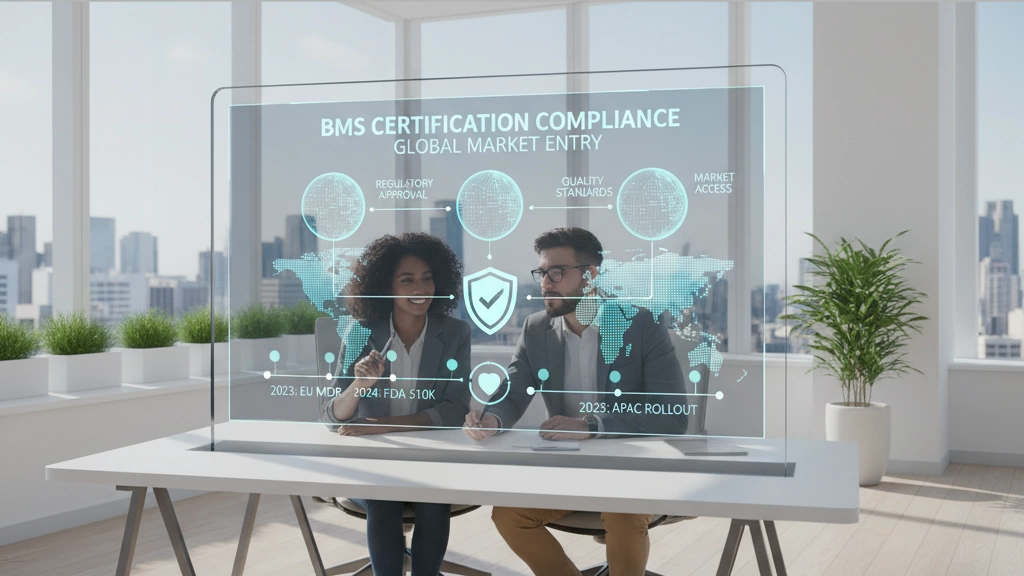
Staying compliant with safety and certification standards is crucial for any battery management system (BMS) in consumer electronics. The latest IEC 62133-2:2024 update tightens requirements around battery safety and performance, focusing on lithium-ion cells commonly used in smartphones, wearables, and power banks. In addition to IEC standards, you must navigate regional requirements like the UL 1642 (US), PSE (Japan), KC (Korea), and BIS (India) certifications, not to mention the global CB Scheme that streamlines multi-country approvals.
Meeting these standards is often a maze, especially under extreme cost pressures and aggressive time-to-market schedules. This is where a reliable partner like KuRui BMS makes a difference. KuRui provides solutions pre-certified or designed with the latest compliance demands in mind, helping consumer electronics manufacturers get through regulatory hurdles faster and with less hassle. Their expertise ensures products meet strict safety certifications without compromising performance or size — a big win for device makers aiming for a global footprint.
For developers interested in simplifying their global compliance journey, KuRui’s expertise is especially valuable as they also offer integrated temperature-controlled heating film control boards and multi-film protection options to meet advanced safety standards. You can explore how KuRui supports quality and reliability in the battery management space in more detail on their evaluation guide for battery management system manufacturers.
The battery management system (BMS) landscape for consumer electronics is evolving fast, driven by new tech and changing user demands. One big shift is the integration of GaN (gallium nitride) transistors with BMS. GaN allows for smaller, more efficient power stages, which means cooler operation and faster charging in ultra-compact devices like earbuds and wearables without sacrificing protection.
Wireless BMS is also gaining traction. Using NFC or BLE, manufacturers can offer real-time battery monitoring directly from smartphones or wearable hubs. This lets users get accurate state of charge (SOC) and health (SOH) data without opening the device or connecting special tools—making maintenance simpler and enhancing overall user experience.
Artificial intelligence is stepping into SOH prediction, too. AI algorithms analyze usage patterns, charge cycles, and temperature trends to forecast battery aging more precisely than traditional models. This smart insight helps devices push battery life without risking sudden failures, a real plus for premium gadgets like laptops and e-scooters.
Finally, the rise of solid-state batteries means BMS designs are preparing ahead. Solid-state chemistry changes voltage ranges and thermal dynamics, so future-ready BMS architectures must handle these safely and efficiently, ensuring they can support next-gen consumer electronics when those batteries hit mass market.
For more in-depth BMS fundamentals and safety considerations, check out our detailed guide on battery management system features and benefits.
Even well-known consumer electronics have suffered from battery management system (BMS) failures, reminding us how critical a solid BMS is for safety and reliability.
Exploding Power Banks: Some power banks have exploded due to poor overcharge or short-circuit protection in their BMS. Cheap designs without proper cell monitoring and thermal management are often the culprit.
Swollen Laptop Batteries: Laptops with swollen batteries usually point to a BMS that failed to regulate over-discharge or manage temperature properly. This not only damages the battery but can permanently reduce overall device lifespan.
Earbuds That Die Early: True wireless earbuds sometimes quit working within six months because their BMS doesn’t handle fast charging cycles or accurately gauge state-of-charge (SOC). High quiescent current and thermal stress can quietly degrade battery health unnoticed.
These cases highlight how crucial it is for consumer electronics BMS to nail protection, accuracy, and thermal control. Choosing a reliable BMS partner who understands consumer abuse scenarios and certification demands can save your device — and your brand’s reputation.
For deep dives on how to avoid common BMS pitfalls in portable power, check out our insights on choosing the right BMS for assembling mobile power with 18650 batteries.
Selecting the right battery management system (BMS) partner is crucial for building reliable, safe consumer electronics. Don’t get caught chasing the lowest price—quality, support, and expertise matter far more. Here are 10 critical questions to ask your BMS supplier before making a decision:
| Key Questions | Why It Matters |
|---|---|
| 1. Do you offer design-in support? | Integration help saves time and money |
| 2. Can you customize BMS for my device? | Tailored solutions fit better |
| 3. What certifications do you hold? | Ensures safety & regulatory compliance |
| 4. What’s your typical lead time? | Faster time-to-market is a game changer |
| 5. How low is the quiescent current? | Critical for standby time (earbuds) |
| 6. What protection features come standard? | Avoid failures & user abuse scenarios |
| 7. Do you provide accurate SOC/SOH fuel gauge ICs? | Reliable battery life estimation |
| 8. Can the BMS handle fast charging protocols? | Supports current USB PD, VOOC, etc. |
| 9. How do you address thermal management? | Prevent heat-related battery damage |
| 10. What’s your after-sales technical support? | Long-term partnership is key |
No clear technical documentation or testing data
Lack of proven certifications like IEC 62133 or UL 1642
Overly simple protection features or missing secondary protectors
Poor customer support or no design consultation
Inability to handle fast-charging or high-rate discharge
Cheap BMS boards may save a few cents upfront but can cause costly delays, device failures, and warranty claims. A good BMS partner helps you:
Fine-tune the BMS to your exact battery pack and usage scenario
Navigate complex certifications and compliance hurdles (like IEC 62133-2)
Provide ongoing technical assistance during product development
Offer custom turnkey design options when standard BMS won’t cut it
In short, investing in quality BMS design support pays off by protecting your brand, improving device performance, and speeding time to market. It’s a smarter move than chasing just the lowest price.
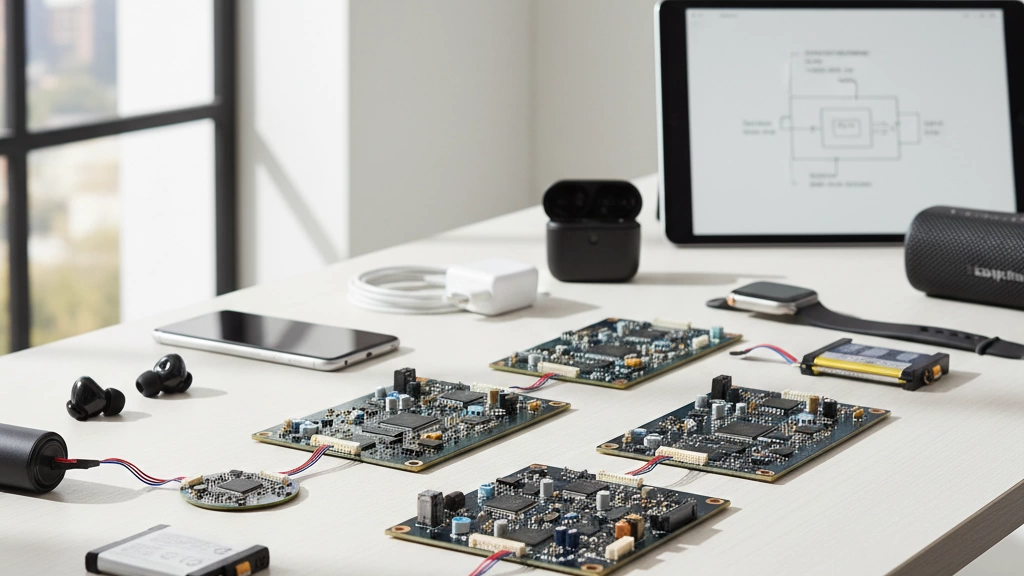
KuRui offers a well-rounded BMS lineup tailored for the diverse needs of consumer electronics. Our KR-1S20A Ultra-Compact series is specially designed for tiny, power-sensitive devices like TWS earbuds and wearables, packing reliable protection and ultra-low quiescent current into the smallest footprint. For more demanding applications such as drones and other high-rate devices, the KR-3S60A High-Rate series delivers robust current handling and precise cell management to ensure safety and optimal performance under heavy load.
Beyond standard products, KuRui provides custom turnkey design capabilities to meet unique challenges, whether it’s adapting to unusual battery packs, integrating advanced fuel gauge features, or supporting fast charging standards. This flexibility makes KuRui a strong partner for consumer electronics manufacturers aiming for market-leading battery protection without compromise.
See how our solutions align with real-world applications and advanced features in our detailed electric motorcycle BMS lineup — many principles carry over seamlessly to consumer product designs.
Choosing the right battery management system for your consumer electronics can feel overwhelming, but a clear checklist can make all the difference. Here’s a simple 7-point guide to help you evaluate any consumer BMS before you commit:
Certification Compliance: Ensure the BMS meets global safety standards like IEC 62133, UN38.3, and UL 1642 for hassle-free market entry.
Size and Footprint: Check if the BMS fits your device’s ultra-compact form factor without sacrificing protection performance.
Protection Features: Look for comprehensive safeguards — overcharge, over-discharge, over-current, short-circuit, and temperature monitoring.
Accuracy of Fuel Gauge: Confirm the BMS offers precise SOC (State of Charge) and SOH (State of Health) estimation for dependable battery life.
Support for Fast Charging: Fast charging with PD 3.1, UFCS, or VOOC protocols should not trigger overheating or damage.
Balancing Method: Decide if passive balancing suffices or if active balancing is necessary, especially for larger capacity batteries.
Quiescent Current: The BMS should have ultra-low standby current (<2 µA) for long battery life in always-on devices like earbuds.
Remember, great devices deserve great protection. Investing in a premium BMS is not just about keeping your battery safe but also extending its life and enhancing user experience.
For those looking deeper into how to pick the perfect BMS or want expert design-in support, exploring industry-leading solutions, like the compact and high-rate KuRui BMS portfolio, can simplify your decision and save you time. Check out their specialized consumer electronics options at KuRui’s Smart BMS page for more insights on reliable, cost-effective battery management systems designed with you in mind.
By following this checklist, you’re well on your way to powering your next-gen consumer devices safely and efficiently.